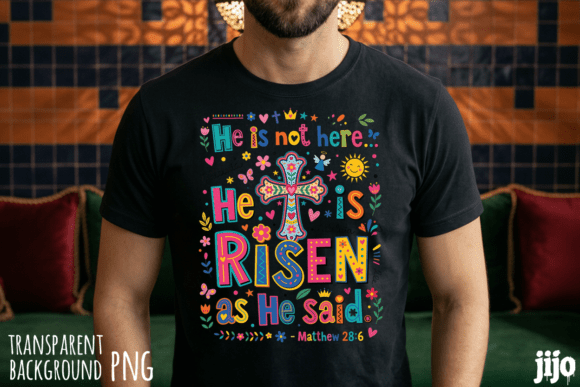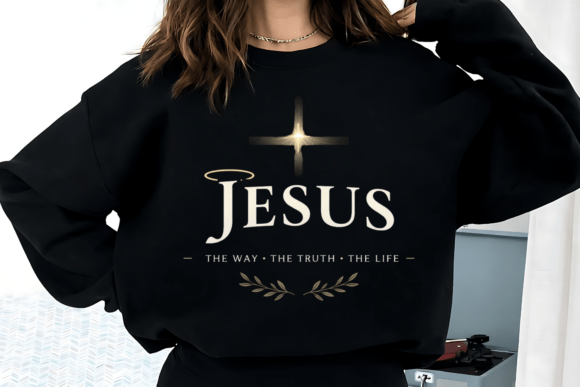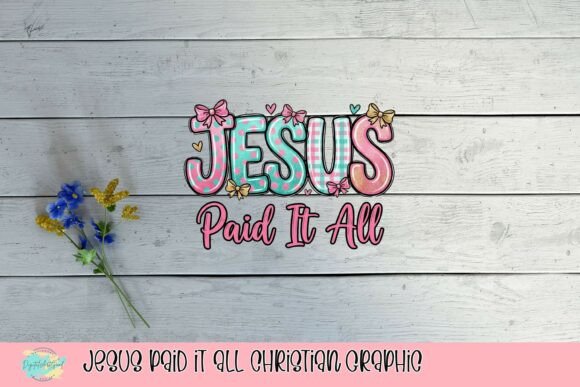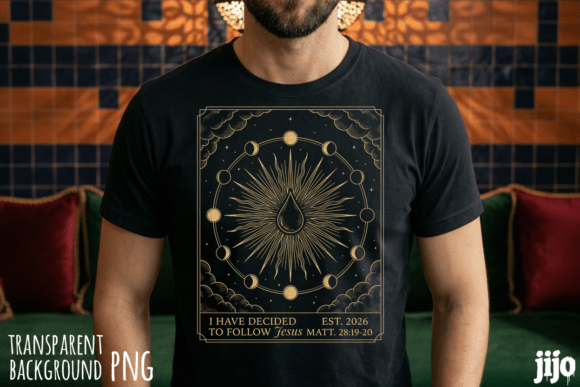
Christian Jesus Cross Sacrifice PNG for T-Shirt Designs
As a brand designer who’s developed visual identities for over 40 local businesses—from artisanal candle studios in Asheville to family-run bakeries in San Antonio—I recently evaluated the Christian Jesus Cross Sacrifice PNG for a real-world project: rebranding a small-town Catholic gift shop and apothecary that sells handmade soaps, prayer cards, beeswax candles, and seasonal devotional kits. My goal wasn’t just to assess aesthetics—I needed to know whether this graphic design asset could serve as a versatile, respectful, and commercially viable element across packaging, labels, social media graphics, and in-store promotional material.
A First Impression That Speaks Before Words
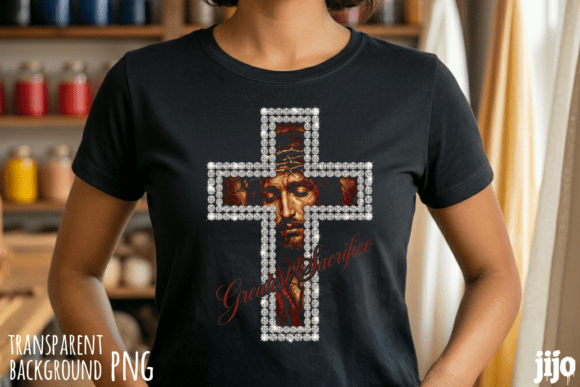
The Christian Jesus Cross Sacrifice PNG delivers immediate emotional resonance—detailed yet reverent, solemn but not somber. It leans into classical illustration with soft shading, subtle texture, and clean line work, avoiding cartoonish or overly ornate interpretations. This isn’t flashy clipart; it feels hand-finished, like a vintage religious engraving reimagined for modern digital use. For local business branding, it suggests sincerity, tradition, and quiet devotion—ideal for faith-aligned boutiques, wellness brands rooted in spiritual values, or seasonal product lines (think Advent boxes, Easter collections, or Lenten self-care kits). It reads as elegant, not austere; handmade, not mass-produced; and timeless, not trendy.
Where It Strengthens Real Small Business Branding
In practice, the Christian Jesus Cross Sacrifice PNG adds cohesion and clarity across touchpoints. On product labels for lavender-and-myrrh soap bars, it anchors the top corner with quiet authority—enhancing visual hierarchy without overwhelming ingredient lists. As a watermark on thank-you cards or printable inserts, it deepens emotional connection without competing with handwritten notes. Used as a decorative border on hang tags for rosary pouches or as a focal icon in Instagram carousel posts for new devotional journals, it reinforces brand identity at every glance.
It also elevates shelf appeal: when placed thoughtfully on matte kraft boxes or embossed linen pouches, the cross becomes a signature motif—not just decoration, but a visual shorthand for the brand’s mission. For social media graphics, it works powerfully in hero banners and story highlights, especially when paired with warm neutrals or deep indigo backgrounds. And because it’s delivered as a high-res PNG with clean transparency, it integrates seamlessly into Canva templates, web design mockups, and print-ready packaging files—no jagged edges or fuzzy halos.
Smart Applications Across Local Business Touchpoints
- Product labels: Works best as a secondary brand mark beside a clean logotype—adds gravitas without crowding regulatory text.
- Packaging accents: Ideal for belly bands, sticker seals, or foil-stamped lid details on candle jars or gift tins.
- Seasonal campaign visuals: Scales beautifully for Easter banners, Lenten email headers, or printable Advent calendars.
- Social media graphics: Enhances quote cards, behind-the-scenes reels, and community-focused posts—especially when layered over natural textures like parchment or linen.
- Printable design & marketing visuals: Holds up well in black-and-white for prayer cards or monochrome business cards, reinforcing versatility.
Use With Intention—Not Everywhere
This isn’t a universal drop-in solution. Avoid placing the Christian Jesus Cross Sacrifice PNG directly over dense legal disclaimers, nutritional panels, or ingredient-heavy food labels—its weight demands breathing room. It can feel visually heavy against ultra-minimalist luxury branding (e.g., a Scandinavian skincare line), and may clash with playful, youthful fonts or bright candy-colored palettes unless carefully balanced. Also, skip using it at under 12mm tall on small jar labels—fine detail risks blurring in print or on shelf.
Practical Brand Designer Notes You Can’t Skip
Before committing to client work or physical production, test rigorously:
- Preview the Christian Jesus Cross Sacrifice PNG on real packaging mockups—not just screen previews—to assess scale, contrast, and emotional impact in context.
- Check black-and-white conversion: does the silhouette remain legible? Does tone separation hold?
- Test it beside your brand’s primary typefaces—does it harmonize with serif (e.g., Playfair Display), sans serif (e.g., Montserrat), script (e.g., Pacifico), or display fonts (e.g., Cinzel)?
- Verify transparency: open the PNG in Photoshop or Figma and confirm no hidden background layers or anti-aliasing artifacts.
- Confirm commercial license terms—especially if applying it to physical goods like T-Shirt Designs, greeting cards, or retail packaging intended for resale.
- Compare it against competitor packaging: does it differentiate authentically—or unintentionally echo existing religious merchandise?
- If vector versions (SVG) are available, inspect editability: can you isolate elements like halo or crown of thorns for custom color treatments?
Why It Matters for Local Business Trust & Presentation
In today’s crowded marketplace, authenticity is currency—and for faith-rooted small businesses, visual consistency signals integrity. The Christian Jesus Cross Sacrifice PNG supports stronger first impressions by grounding a brand in recognizable symbolism, while its refined execution conveys professionalism. When customers see it repeated thoughtfully across a candle label, website banner, and Instagram post, they subconsciously register coherence, care, and credibility. That translates to better product recognition, higher perceived value, and deeper customer trust—especially among local shoppers who prioritize meaning over mass-market messaging.
Used intentionally—not as filler, but as a considered element within a broader brand identity—the Christian Jesus Cross Sacrifice PNG becomes more than a graphic design asset. It becomes part of the story your small business tells every time someone holds your product, clicks your link, or walks into your boutique. For handmade businesses, faith-based retailers, seasonal product sellers, and creative entrepreneurs building something real and rooted, that kind of resonance isn’t optional. It’s essential.