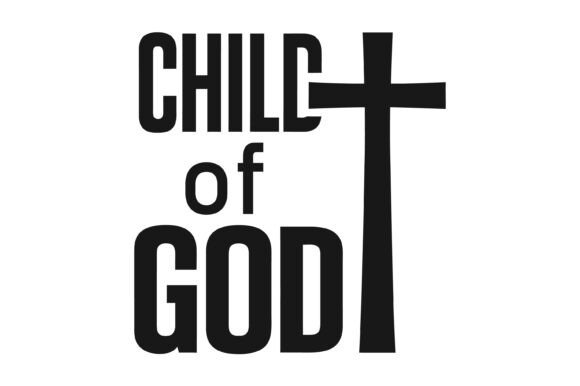
Child of God Christian Faith Design
A Designer’s First Look: Simple, Sincere, and Stitch-Ready
When I opened Child of God Christian Faith Design for the first time, what struck me wasn’t complexity—it was calm clarity. The layout feels intentionally uncluttered: a gentle script phrase centered around a subtle cross or dove motif (depending on the version), with balanced negative space and soft curves in the lettering. It doesn’t shout; it settles. That’s rare—and valuable—for a machine embroidery design meant to live on real-world items like baby onesies, linen tea towels, or unisex sweatshirts. As someone who’s stitched hundreds of faith-based designs for boutique clients and Etsy sellers, I immediately pictured this on a cream-colored organic cotton tote—clean, quiet, and deeply personal.
Where This Design Truly Shines
Child of God Christian Faith Design excels where sincerity matters more than spectacle. It’s ideal for personalized gifts—think baptismal blankets, nursery wall hangings, or embroidered kitchen towels for new parents. I recently tested it on a lightweight French terry sweatshirt for a local church’s youth group fundraiser. The script held beautifully at 3.5" wide, and the satin-stitched letters read clearly without stiffness. Because the design avoids dense fill areas and tight corners, it stitched cleanly on textured fabrics like canvas aprons and woven cotton pillow covers—no puckering, no thread breaks.
For small shop products, this design bridges spiritual intention and aesthetic cohesion. It pairs naturally with neutral palettes and minimalist branding—no competing patterns needed. On a dark charcoal cap? Yes—but only if you use high-contrast thread (ivory or bright white). On a light linen tea towel? Even better. Its restrained scale means it works well as a standalone element on a pocket, hem, or sleeve—not just front-and-center.
Real-World Considerations Before You Stitch
This isn’t a “set and forget” file. Like any thoughtful embroidery file, Child of God Christian Faith Design asks for intentionality. Here’s what I check every time:
- Stitch density: Moderate, but not sparse—so test on your fabric type. On thin knits or baby jersey, add tear-away + cut-away stabilizer combo to prevent shadowing.
- Hoop size: Fits comfortably in a 4x4 hoop, but verify before hooping. Some versions include alternate layouts (e.g., arched for caps); always open the preview in your embroidery software.
- Small details: The cross motif is delicate—not micro-fine, but fine enough that it can blur on stretchy fabric or low-thread-count cotton. If using on a curved surface like a baseball cap, consider simplifying or omitting the emblem unless your machine handles small satin columns reliably.
- Thread colors: Works best with matte, high-quality polyester or rayon. Avoid metallics—they’ll overpower the humility of the message. Stick to soft neutrals (oatmeal, slate, heather gray) or crisp contrasts (navy + ecru) for maximum readability.
Fabric & Function: Where to Use It—and Where to Pause
This design thrives on stable, medium-weight fabrics: midweight cotton tees, twill tote bags, brushed poly-blend sweatshirts, and quilting-weight linen. It’s also a strong candidate for embroidered patch production—clean lines mean sharp edges after cutting and heat-sealing.
Use caution on:
- Stretchy or slippery fabrics (like performance knits or satin-backed velour)—the script’s flow relies on even tension; test extensively.
- Dark, napped fabrics (e.g., fleece or heavy terry) —dense stitching may sink into the pile. Opt for a slightly larger size or simplify the emblem.
- Curved, layered, or uneven surfaces (like structured caps or quilted jackets)—the linear script reads best on flat planes. If embroidering a hat, center it on the front panel—not the curve of the bill.
- Products requiring frequent washing (baby bibs, dish towels): Confirm stitch coverage is full—not just outline—and reinforce with quality stabilizer. Running stitch accents (if included) should be minimal or omitted for durability.
Why It Builds Trust—Not Just Texture
In my work with faith-based craft businesses, I’ve learned customers don’t just buy a design—they buy alignment. Child of God Christian Faith Design feels handmade *in spirit*, not just execution. Its lack of ornate borders or flashy embellishments signals authenticity. That matters when selling on Etsy or at craft fairs: buyers respond to visual honesty. A customer told me she chose our embroidered baby blanket over three others because “it didn’t look like it was trying too hard”—a quiet compliment that speaks volumes.
For commercial embroidery or wholesale boutique orders, this design supports brand consistency without demanding custom color matching or layout tweaks. It scales predictably across product types—from a 2.25" version on a child’s cap to a 5" layout on a throw pillow—and maintains legibility and emotional resonance at every size.
Practical Designer Notes You’ll Actually Use
Before stitching Child of God Christian Faith Design into your next project:
- Run a test on scrap fabric *with your exact stabilizer and thread*—not just a generic swatch.
- Check how it renders in black-and-white mockups. Does the contrast hold up? If not, adjust thread choice—not design size.
- Compare it side-by-side on light and dark backgrounds using your digital preview tool. Some versions include optional outlines; use them only if needed for clarity on busy fabrics.
- If offering it as a digital embroidery file for sale, confirm licensing terms allow commercial use—and clarify whether buyers may resell finished items (most do, but always verify).
- For printable mockups or social media previews, avoid over-editing. Let the natural texture of the stitch show—customers want to imagine the real thing, not a glossy illusion.
Final Thought: Less Is Anchored
Child of God Christian Faith Design won’t dominate a room—but it will linger in memory. That’s its strength. In a landscape crowded with bold fonts and layered motifs, this design earns attention by honoring stillness. Whether you’re stitching for a client’s milestone, building a craft business, or creating a heartfelt personalized gift, it delivers quiet confidence—not noise. And in embroidery, where every stitch carries weight, that kind of intention is the most valuable thread of all.